Diabetes Consultation
Supporting Better Diabetes Awareness and Management
Diabetes is a long-term health condition in which blood glucose levels remain higher than normal because the body does not produce enough insulin or cannot use insulin effectively. Proper medical evaluation and ongoing monitoring are important for managing the condition and reducing the risk of complications.
Diabetes consultation provides patients with an opportunity to discuss blood sugar levels, understand their health status and receive medical guidance based on their individual needs.
At Life Diagnostic Centre, diabetes consultation is intended to support patients who need medical assessment, monitoring and guidance for diabetes-related concerns.
Why Is Diabetes Consultation Important?
Diabetes may develop gradually, and some people may not notice clear symptoms in its early stages. Regular medical assessment helps patients understand their blood glucose levels and monitor their overall health.
Common symptoms that may require medical evaluation include:
Increased thirst.
Frequent urination.
Unexplained weight changes.
Increased hunger.
Tiredness or weakness.
Blurred vision.
Slow healing of wounds.
These symptoms can occur for different reasons, so medical evaluation is important.
What Does a Diabetes Consultation Include?
The consultation may involve reviewing the patient’s medical history, symptoms, previous test reports and current treatment plan.
Depending on the patient’s needs, the physician may:
Review blood glucose readings.
Assess relevant laboratory reports.
Discuss medication and treatment history.
Evaluate lifestyle and dietary habits.
Recommend appropriate follow-up investigations.
Provide guidance on ongoing monitoring.
Importance of Diabetes Testing and Monitoring
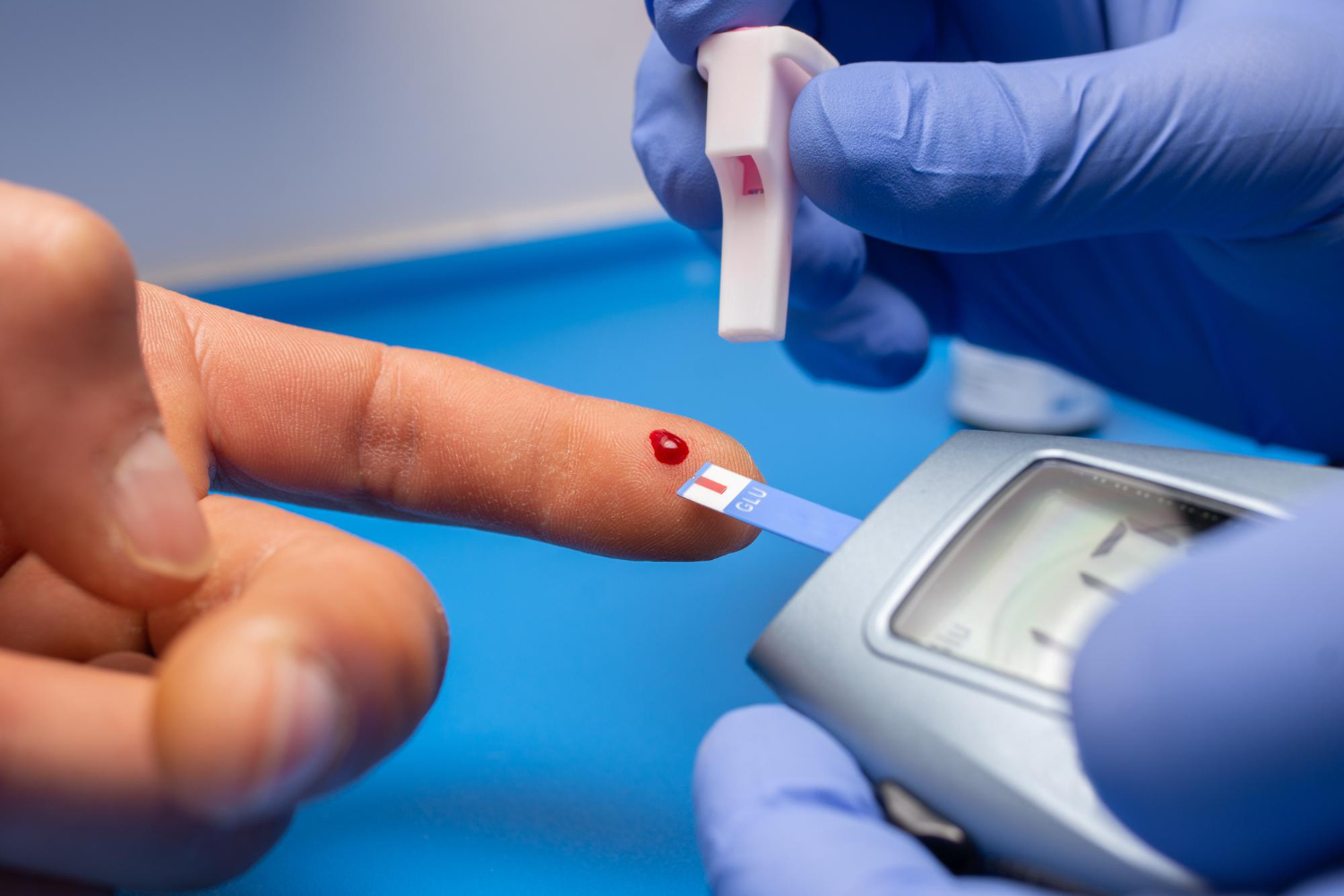
Blood glucose testing helps assess current sugar levels, while HbA1c testing, when recommended, provides an estimate of average blood glucose over approximately the previous three months.
Other investigations may be advised to assess kidney function, cholesterol and other aspects of health. The exact tests and frequency of monitoring depend on the patient’s condition and medical advice.
Lifestyle and Ongoing Care
Managing diabetes often involves a combination of medical treatment and healthy daily habits. A balanced diet, regular physical activity, appropriate medication use and consistent monitoring can contribute to better diabetes management.
Patients should follow their physician’s advice and avoid changing or stopping medication without consultation.
Take a Proactive Step Towards Better Health
Diabetes management is an ongoing process that requires regular attention and individualised medical guidance. Life Diagnostic Centre aims to support patients through accessible diabetes consultation and diagnostic services, helping them make informed decisions about their health.
Other Services
Take the First Step Towards Better Health
Get reliable diagnostic care and medical guidance under one roof.