
EEG (Electroencephalogram)
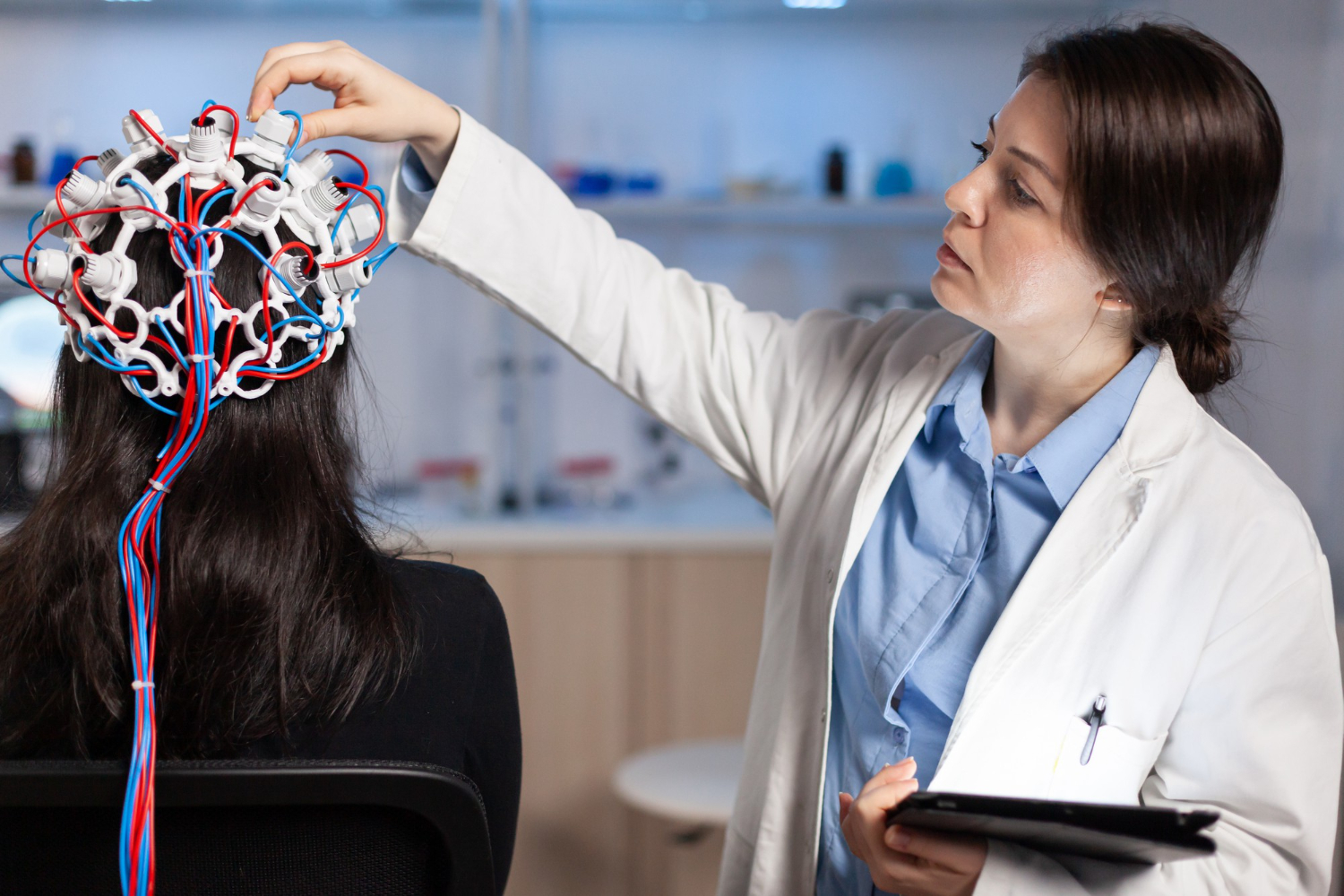
Evaluating Brain Electrical Activity Through EEG Testing
An Electroencephalogram, commonly called an EEG, is a non-invasive diagnostic investigation that records the electrical activity of the brain. Brain cells communicate through electrical signals, and an EEG helps record these signals as patterns that can be examined by a qualified healthcare professional.
EEG testing is commonly used as part of the evaluation of certain neurological conditions, particularly those involving unusual electrical activity in the brain. It may help doctors investigate symptoms such as seizures, episodes of unexplained loss of awareness and other neurological concerns.
At Life Diagnostic Centre, EEG testing is intended to support medical evaluation when recommended by a healthcare professional.
Why Is EEG Testing Recommended?
An EEG may be advised when a patient experiences symptoms that could be related to changes in brain electrical activity.
It may help with the evaluation of:
Seizures and suspected epilepsy.
Episodes of unexplained loss of consciousness.
Sudden changes in awareness or behaviour.
Certain sleep-related concerns.
Selected neurological conditions.
Monitoring of brain electrical activity when clinically indicated.
How Is an EEG Test Performed?
During an EEG, small sensors called electrodes are attached to the scalp using a suitable conductive material. These electrodes detect electrical signals produced by brain activity and transmit them to a recording system.
The test is generally painless and does not involve electrical stimulation of the brain.
The usual process includes:
Preparing the scalp for electrode placement.
Attaching electrodes at specific positions.
Recording brain electrical activity.
Following any instructions given during the test.
Completing the recording for professional review.
Depending on the type of EEG requested, the recording may be performed while the patient is awake, relaxed or asleep.
Preparation Before EEG Testing
Patients may be advised to wash their hair before the test and avoid applying oils, gels or other hair products. Instructions about sleep, food and medications should be followed only as directed by the doctor or diagnostic team. Patients should not stop prescribed medication without medical advice.
Understanding the Results
EEG recordings help doctors identify patterns of brain electrical activity that may support the evaluation of neurological symptoms. The results must be interpreted alongside the patient’s medical history, symptoms and other investigations.
Life Diagnostic Centre aims to make diagnostic testing accessible and convenient, supporting patients who require EEG evaluation as part of their healthcare journey.
Other Services
Take the First Step Towards Better Health
Get reliable diagnostic care and medical guidance under one roof.